“My own personal balance between humility, confidence, independence, and dependence was still sorting itself out.”
Finding balance in your attitudes and activities helps in the process of accepting your limitations. The quote above shows the approach Captain Scotty Smiley, a blind Army officer, used in coming to terms with his loss of sight. Each of us has to seek the right balance in our own lives.
One type of balance
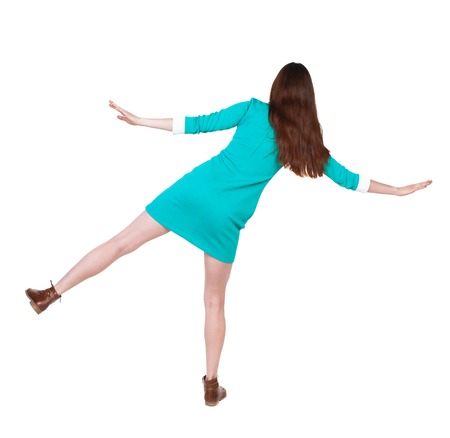
 See the picture above?
Imagine this lady is plagued by fatiguability, a condition affecting how her muscles work. Overusing the muscles causes them to shutdown; under-use leads to atrophy. Finding the balance is critical to accepting invisible disabilities. She needs to lie down for awhile to rest her muscles so she can continue work.
Now imagine the scene in an airport waiting room. Embarrassing? Humbling? Yes! But necessary! This happened to me on an essential plane when I had to travel alone. In a layover at a small airport, I knew my muscle shutdown was fast approaching. Sitting was not sufficient to recharge the muscles; I had to find a place to stretch out. The only place was along a wall in a highly traveled area. Yuk! My choice: be embarrassed and re-energize myself or push myself and be unable to walk at my destination.
Choosing balance - lie down now so I can walk later - was distressing but necessary. Finding balance and acceptance can be tough!
Acceptance, or coming to terms, “… means accepting the fact that we are disabled, while still carrying on with our lives. It refers to the ability to still be happy, find contentment, and live a fulfilling life despite being disabled.”**
Making adjustments in your life - finding the balance - between what you can do and what you shouldn’t becomes the norm for living.
Balance is personal for you. Your physical situation is unique. Your attitudes and beliefs are what make you you. Therefore, you have to decide what balance is right for you.
Questions to ask yourself:
- Do you live within your limitations, or fight them, or ignore them?
- To do this, you have admit the limitations and live within their confines, resulting in more energy.
- How do you use your energy? By being angry or using it positively?
- Do you know your limitations, or do you try to do everything you used to?
- Do you give in and give up, or do you find creative ways to keep on keeping on?
Positive results from finding balance and accepting invisible disabilities:
- Energy to smile and be positive
- Ability to enjoy life
- Accomplish more
When you’re able to find balance and acceptance in your life,
“It’s the opposite of feeling victimized, helpless, trapped, and bitter because of what has happened to [your] body.”**
It’s freedom to live life as an overcomer.
Note: This is a process that you’ll likely need to repeat as changes happen in your life.