Tons of links here to articles; many resources for invisibly disabled people. Links to books lead to a place to buy them. Click any title to reveal more information.
Forward any suggestions you have for more subjects you’d like to see or helpful articles to add by using the contact form.
Chronically Constant by Ally
“Hi! My name is Ally. I am a teenager who is struggling with chronic illness.” So starts Ally’s “About” page. Her blog exhibits a maturity beyond her years. Definitely worth a read.
Their Purpose Statement
“Welcome! Our ministry is dedicated to extending the love and message of Jesus Christ to people who are affected by disability around the world.” Joni and Friends is founded by Joni Eareckson Tada.
What You Can Find There
- Lists and explanations of the multiple ministries run by Joni and Friends
- Bookstore
- Resources for help, education, and training
- Daily devotionals
Their Purpose Statement
“A place of compassion and understanding for believers living with chronic illness and pain,” states the homepage of Where Is God Ministries.
What You Can Find There
- The page “Why Does God Allow Suffering?” has links to multiple articles on the subject
- Other pages discuss additional aspects of this issue
- Bookstore and T-shirt shop
Their Purpose Statement
“The Invisible Disabilities Association strives to bring awareness about illness, injury and disability to friends, family, co-workers, businesses and more.”
What You Can Find There
- An excellent booklet: “But You LOOK Good: How to Encourage and Understand People With Illness and Pain”
- Bookstore
- Online social networking for the invisibly disabled through Inspire
- Resources for encouragement and education for the disabled and their families and friends
- Invisible No More: online campaign to raise awareness about invisible disabilities

Websites for Helps and Encouragement

Suicide Prevention
Check out this post to find out why chronic pain can increase the risk of suicide and what to do about it. Chronic Pain and Suicide Risk by the Brainless Blogger.
Q and A
Kristi Hugstad
Beneath the Surface
In this Q&A session with author Kristi Hugstad, we visit the problem of suicide. Although this book is specifically for and about teens, the information is also applicable to the invisibly disabled--a high risk population. Just substitute “invisible disabilities” for “teen.” Of course, if you know a teen …
In Beneath the Surface:A Teen’s Guide to Reaching Out When You or Your Friend Is in Crisis(New World Library, September 3, 2019), Kristi talks with, rather than down to, teens, about issues like depression, eating disorders, PTSD, anxiety, bullying, substance abuse, suicide, and more, and encourages them to reach out for help when they need it. She is a certified grief recovery specialist and a grief and loss facilitator for recovering addicts at South Coast Behavioral Health. Visit her at https://www.thegriefgirl.com.
What inspired you to write Beneath the Surface?
When my husband, Bill, completed suicide, he shattered both of our lives. In the tunnel of unfathomable grief, I found that my only path forward was to dedicate my life to helping prevent this kind of tragedy from happening to others. Unfortunately, we live in a world where suicide has become commonplace – at every age and in every demographic. Teens, specifically, are experiencing an unprecedented mental health crisis – one with no foreseeable cure except education and awareness. Speaking to our teens, teachers, parents and administrators about mental illness and suicide doesn’t simply provide education; it can lead to early intervention and, with all our help, save precious lives.
What is the most important thing for teens to know when experiencing a crisis?
Speak up. Call a friend, see a professional, talk to your parents. There is nothing so bad or so shameful that you can’t get help for it. No matter how much you isolate yourself, you are not alone. Reach out and help will come.
What advice or perspective do you have to offer parents or educators who want to help a teen who is in crisis but aren’t sure how?
Education is key. Had I known the risk factors and warning signs of suicide, I would have seen just how serious my husband’s situation had become. When you’re familiar with the signs and symptoms, you’re empowered to act when you need to. Asking important, direct questions – have you thought about taking your life? Do you have a suicide plan? – is imperative, as is listening to the answers with love and without judgment.
You say in the book that depression is a thief and a liar. What do you mean by that?
You are wired to believe what your brain tells you. That’s what makes depression so difficult; the disease creates negative thoughts and feelings, and it’s not only easy to believe these, it’s natural. Through these lies, depression steals your confidence, your motivation, and your happiness. Recognizing that depression is a disease and that your thoughts are not you is the first step to coping with it.
Do you have some coping strategies you can offer for those who are struggling with depression?
Stay connected. Isolation will only exacerbate your depression. Make an effort to talk to friends or participate in social activities – even if you don’t feel like it. Find ways to help others. Do what makes you feel good – hobbies and favorite pastimes are instrumental in coping with depression. Take care of your body by eating right, exercising, spending time outside and getting plenty of sleep. Challenge negative thoughts when they come – put them on the witness stand and cross-examine them before you believe them. If you feel your symptoms worsen, don’t suffer needlessly and alone. Get professional help.
You say in the book that social media can feed the fears that lead to depression and a sense of hopelessness. How so?
Social media often presents picture-perfect lives that no one can actually live up to. Believing that social media portrays reality can lead to feelings of inadequacy and anxiety. Teens who suffer from poor body image often use social media photos and posts as confirmation of their own inadequacy. Social media is also a big contributor to bullying, providing public and private means for bullies to taunt and shame their victims. Furthermore, excessive use of technology – whether smartphones, computers or gaming systems – can lead to addiction, confining teens to their bedrooms to live in a fictional world. Technology addiction can cause and contribute to depression in all ages, but particularly in teens.
What are some of the warning signs of suicide and what is the best thing for someone to do when/if they are having suicidal thoughts?
Knowing the warning signs of suicide can be instrumental in saving a life. Abusing substances, eating and/or sleeping much less or much more than usual, withdrawing from family and friends, engaging in reckless or rebellious behavior, talking about suicide, giving away personal belongings, showing indifference to academic work and grades, displaying a decline in personal hygiene, engaging in sexual promiscuity and researching methods for suicide can all be big signs that someone is at risk of suicide. Tell an adult you trust immediate who can help you intervene.
What do you most hope readers will take away from your book Beneath the Surface?
Suicide prevention is my life’s mission, but I can’t do it alone. Abolishing the stigma surrounding mental illness takes everyone’s help. Teens, along with their parents, teachers, administrators – and anyone else who cares about them – must understand mental illness and recognize the warning signs and risk factors for depression and suicide. Continually encouraging teens to reach out for help and addressing their struggles through direct, honest conversations is the only way to save lives today and in generations to come.
Melinda wrote this letter to her Dad who had committed suicide. Please listen to this voice from one left behind. And if you know someone thinking about this solution, please figure out how to help. If you are considering it, please reach out for help.
Jerry Sittser. Grand Rapids, MI: Zondervan, 2004. Book at available at Amazon, other book sellers and libraries.
Sittser lost his mother, wife, and preschool daughter in an accident caused by a drunk driver. He chronicles how he survived and overcame. He includes stories of others, also. I know this isn’t about invisible disabilities, but many of the principles apply to us. This book powerfully impacted my attitudes.
 Jeffrey H. Boyd. Grand Rapids, MI: Baker Books, 2005. This book may be hard to find, but it is still available at Amazon. You can Google it and find it a few other places.
An interesting book, especially the section on humor used by the chronically ill. It can seem macabre to the well person, but it relieves pressure. The cover sums it up: “approach illness with dignity; adopt a new attitude; find hope through it all.” Worth a read.
Sam deals with losses and loves. She presents the 5 G's of Change and bunches of ideas how to overcome the losses. Check out February is the Month of Love….and Love Can Take Many Forms.
Tom Seaman writes about "The Impact Stress and Emotions Have on Our Health." Suffering severe pain from his dystonia, he has proven for himself the coming to acceptance of the bad in his life actually diminished the pain, improving his life. It did not take away his dystonia but allowed him to function better. He shares insights he learned that might help you.
Can happiness and chronic illness coexist? This author, French femme, thinks so. Check out her ideas at "Can You Feel Happy with a Chronic Illness?" For a discussion of the related emotion, sadness, see her next post: "Feeling Sad."
Check out Sam's ideas for those times when you have just had TOO MUCH. See her post, "A Case of Chronic Illness Overload."
Sam Moss helps us yet again, this time on coping with pain. See her article "Dancing To The Beat of My Own Drum..Chronic Illness Style!." Check it out for great ideas.

Acceptance, Coping, and Purpose

Relationships
"Not All Stories Can Be Champagne and Process" by Sam Moss helps us understand why some questions that others ask us can upset us. Excellent article.
The author of Old and Blessed gives an interesting take on being honest when asked how he feels. Read it in his short post: Don’t you like being honest about how you feel? Good for the Dweller and the Observer.
"It’s on its way! There is no stopping it! Christmas is coming!" So says Sam Moss as she reminisces about the past holidays, remembers recent ones, and looks forward to the need to scale down even further this year. "It's 'Chronically' Close to Christmas" reminds dwellers we need to pace ourselves as we prepare.
See a Fibro Warrior's ideas about "How Chronic Pain Warriors Handle the Holidays"
Need help on cutting Christmas costs? Check out "How to Cut Down on the Cost of Christmas Gifts."

Holidays

Practical Helps
Jo presents Practical Solutions to Everyday Problems, a comprehensive list of specific ideas in 11 problem areas many dwellers face.

The Pain Companion by Sarah Shockley
For people who have pain that medicine doesn’t help. This book presents an unusual, creative approach, complete with exercises to help decrease pain. Working through the exercises should prove helpful in living a less stressful life. Although your pain probably won’t stop, the emotional pain and frustration of living with ongoing pain should diminish, making your life easier. The author’s letters to Pain are unique. One caveat: Some of the book contains New Age ideas, but the info is still workable. Available at Amazon.
Sam Moss discusses "Pushing and Pacing with a Progressive Chronic Illness." There is a time to push and a time to pace; see her gentle humor about her own experiences. While there, check out her whole website.
Sunhats and Selfhelp by Trish Veltman presents seven innovative ways to combat pain. Love the name of her site: Verve.
Need something to fill your time? To have the fulfillment of making something? Even to make some money? Want a new hobby?
Try crafting. Read about Gemma's ideas in Crafting With A Physical Disability – Finding My Thing.
Taking a “Professional Approach” with Your Medical Team by Sam Moss presents effective ways to visit your docs.
Stacey shares lessons she has learned from living with her invisible disabilities in 10 Lessons learned from having chronic illnesses.
Ever needed to go to ER and wondered how I can tell them what's wrong and what's important for them to know? Here are some excellent ideas on how to create a 1 page sheet with critical info. Creating a Chronic Illness Cheat Sheet. This sheet would also work well when seeing a new doc.
A humorous look at advice doctors may give when they accuse you of faking your illness by A Chronic Mom.
Sarah Lynn reviews 7 myths about chronic pain in her post: Chronic pain myths you need to stop believing!. This info needs to be shared with others.
Have an upcoming doctor visit? Envisioning outcomes? Read Sam's post: "Here We Go Again….More Medical Appointments Ahead!!"
Via Untethered writes about how in the world to explain chronic pain levels in "What Chronic Pain Feels Like – Describing Pain Levels And The Problem With The Pain Scale."
Trish, of Verve, writes about "How to Measure Pain" for us who have chronic pain.
Dwellers will find tips about handling new symptoms. Observers can see what life can be like medically for those living with ongoing problems. See Sam's article: Looking for the Missing Piece of the Puzzle.

Medical Care

Spiritual Issues
"Just Have More Faith" by Vaneetha Rendall Risner deals with the theological question of why some get healed and some don't. This article is good for the Christian and for those who wonder about the Christian faith. It encourages the dweller to realize God loves him. It helps the observer to understand that God has his own reasons as to whether or not heals.
Christians Living with Illness and Grief
Fruitful Today by Ruth
Ruth is a young mother with invisible illnesses. She brings devotions and printable resources to you. She also has an interview series called “The Bridge” about the invisible disabled and their church relationships.
Read the real-life story by Kim Mills after he lost everything because of his invisible disabilities (and/or his reactions to them). He dealt with anger toward God for 15 years. He has advice for Christians.
 Ever wondered about God giving us the desires of our hearts? What it means – or doesn’t? Humidity Makes My Hair Frizz draws comparisons between Noah’s family and Shelley’s journey to owning a home, but the principles apply to our desire for wholeness and health. Along the way, the author combines her story with questions and Bible verses to stimulate your thinking. All in all, Shelley Jarl’s book should deepen your understanding of the relationship between God and our desires. Available at Amazon.
Read about how Pamela feels about her spiritual beliefs--and how she respects others' beliefs.
Francee Strain is an invisibly disabled woman who uses her time to write. Below is a description of her first book, available at Amazon, CBD, and Barnes and Noble in paper and e-book. She also publishes a blog: Come Unto Me Ministries. 
Our lives are filled with things to do, but why do we do the things we do? Is there another way, a better way? Perspective and focus shape the way we live and the schedules we keep. Where exactly are we focusing? What types of perspectives do we have? Are our views about the temporary. or are they about the eternal?
God has invited each of us to live abundantly and to live with eternal purpose. His invitations are like none other we will ever receive. Every part of who we are—body, mind, soul, and relationships—can have an intentional focus and fulfill an eternal purpose. Discover the things He has already called you to and learn how to respond to them. Discover what invitations will be forthcoming and what you can do to prepare for them.
Obstacles, excuses, suffering, times of waiting, incredible seasons of busyness, and the enemies of your soul can all be deterrents and distractions that can keep you from responding to and receiving from God. You have choices to make, up against a clock that is ticking. Are you making your minutes count for the correct things in the correct ways?
This book will lead you to introspection and encourage you to action. You can overcome all of these challenges when you are infused with God's strength and power. You can fulfill the things that He calls you to do.
Every day counts. Every moment counts. Make today count-for all eternity. Make this day extraordinary.
Learn about Monkey, Lydia's cat. See how she helps her. Monkey, the Service Cat.
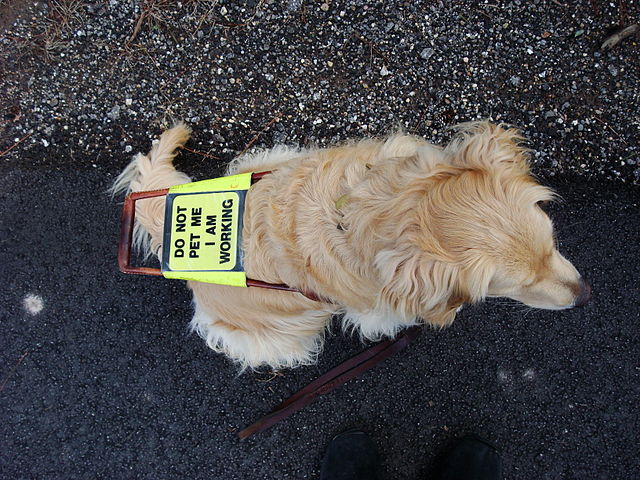
Animal Helpers

Housing
Check out Lisa's helpful ideas for making her home more accessible for her.
Home Safety for People with Disabilities
This article contains specific ideas for improving safety in kitchens, bathrooms, stairways and ramps. Includes fire safety tips. See BasementGuides.com.
Remodeling your house? Need to modify your home? If you answered "Yes" to either question, check out this article by Rocket House: How to modify your home for someone with physical disabilities.