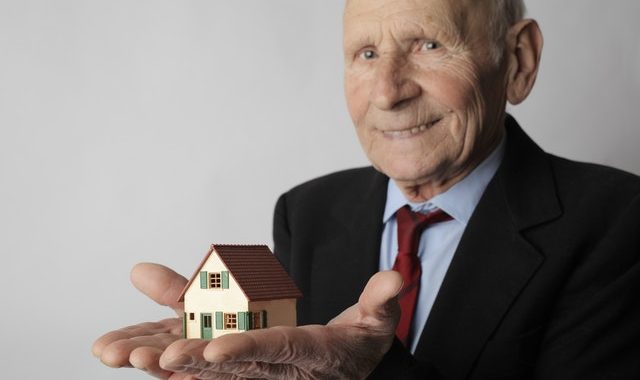
Are you getting older and have a home that you love? Like to stay in it? Maybe you have parents in that situation. Read Ashley’s post for ideas on home accessibility for seniors and making your current home safe.


Nobody imagines growing older and sees themselves living in an assisted living home. We all want to hold onto our independence as long as we can — preferably by aging in place. Of course, life can be unpredictable, and serious illnesses such as Alzheimer’s disease can take that option away from some. However, for a great deal of people, aging in place is a viable option as long as certain adjustments and modifications are made around the house. These accessibility features serve to protect people and make it easier to live on their own.

All Ramped Up
Even if they do not need the use of a wheelchair, seniors can benefit from installing safety ramps over steps throughout the house. Getting up or down a flight of stairs can be trickier as their reflexes slow, and making it up and down a ramp reduces the chance of falling. Falls are the leading cause of death and injury in older Americans. Preventing them can seriously affect an older person’s long-term well-being when aging in place.
Splish Splash, Safety in the Bath
According to the AARP, the bathroom is the most dangerous room in the house, especially for seniors. Safety measures can make bathing and keeping up with personal hygiene safer and easier overall. Install a safety bench and extendable nozzle in the bath so they can safely clean themselves instead of having to stand in a slippery shower.
It’s also a great idea to place handrails along the walls that they can grab on to. Grab bars are also helpful when it comes to getting up from the toilet. Furthermore, make sure to add non-slip flooring. You can buy non-slip decals that attach to tile while also providing extra traction with bath rugs that do not move around.
Ring the Alarm
Possibly some of the most important safety measures in a senior’s home are smoke alarms and carbon monoxide detectors placed strategically throughout the home.
- Smoke alarms should be placed inside each bedroom as well as on every floor of the home. One should be placed directly outside the kitchen at least 10 feet away from major appliances to prevent false alarms. The alarms should be mounted high on walls or ceilings. If the alarm is mounted on a wall, it shouldn’t be more than 12 inches away from the ceiling.
- Carbon monoxide is an odorless, colorless, and non-irritating gas that can be fatal if inhaled. Malfunctioning appliances and generators can leak into a home, killing in minutes without warning. Placing CO2 detectors throughout the home can catch a leak early on and save a senior’s life. Detectors should be placed in bedrooms as well as each major area of the home. If there is a furnace in the basement, be sure to place an extra CO detector by it, as well.
Another Thing to Consider
Sometimes the home they inhabit just isn’t right for a senior’s safety. A home that’s too large or one with multiple stories may be too much for simple renovations. In these cases, it’s worth it for seniors to consider downsizing and moving to a smaller home. With a smaller house, there is less upkeep. Plus, they can look for places that are closer to the things and people they want to be near — like grandchildren! Use a home-proceeds calculator to get an idea of how much they can get for their home. Then compare those numbers to what it might cost to buy a smaller home to see if moving is a viable option.
***
If you have a senior loved one in your life, help ensure they can stay independent and age in place by making modifications around their house that ensure their safety. If they have steps that are difficult to navigate, safety ramps are an easy solution. Make sure to prevent falls in the bathroom with additions like a shower bench and grab bars. Smoke alarms and carbon monoxide detectors can save lives. Finally, if their home is so large that it costs too much to make renovations, consider the option of downsizing. A smaller home can make their golden years much more enjoyable.
More Info
Here’s another post about housing for the disabled.
Man’s Photo by Andrea Piacquadio from Pexels
Woman’s Photo by Edu Carvalho from Pexels