


Becoming a parent is an exciting time, but it can also be a stressful one. Your life—from this moment forward—will forever change. Many parents find themselves putting certain hobbies on hold, while others adjust to different routines at home. For parents with disabilities, there is an added layer of planning and home preparation needed to get their house and their minds ready for such a big change.
People with disabilities who are looking to welcome a new baby have many options for making their homes—and their lives—more accessible. Here are a few ways you can ensure your home is a place that supports your new journey into parenthood.
Mobility Issues
Keeping up with an active child when you are in a wheelchair or use a walker can be a challenge. Your child may be a fireball of energy, and being able to support him or her during active play, as well as monitor safety and react to risk-filled situations is key. Increasing access for mobility issues includes:
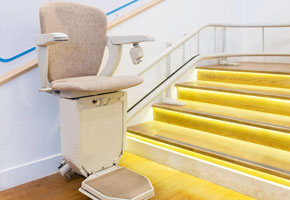
- Replacing stairs or steps with ramps. When that isn’t an option, installing wheelchair lifts so you can access all areas of the house that your child is able to.
- Purchase a front access crib that opens like a gate so that you can place your baby in and out of the crib.
- Low countertops that you can use for bathing and changing baby from your chair, but are also wide so that have room underneath for your knees. Be sure that you have installed slip resistant floors in places where you will be holding your baby around water or moisture.
- Widen hallways and doorways to 32” to 48” or use expandable hinges so that you can move from room to room with ease and comfort.
Vision Impairment
There are many modifications you can make to ease into parenthood when you have low or partial vision. When your child becomes a toddler, however, you’ll need all your energy to stay one step ahead of their growing needs and bodies. A few ways you can make a toddler’s room accessible for people with low or partial vision includes:
- Adding textured flooring, like rugs or carpets, to separate play areas from dressing areas from sleeping areas.
- Purchasing toys with contrasting colors so you can identify them in bins, on the floor or in another room.
- Installing dimmers to the light in your child’s room so you can brighten the light when you are in there, and dim it down when the child needs to sleep.
Hearing Impairment
Not being able to hear every coo, cough or cry can make any parent anxious. For parents with hearing impairments, making sure you can understand your baby’s needs is a top priority. While using other senses, such as sight and touch can help you communicate with your baby, modifications can also be a hug help. Consider:
- Bringing in a hearing aid service dog who is trained to alert you to your baby’s needs.
- Installing a baby monitor that shakes your bed at night so that you can hear when your baby cries.
- Sealing windows and doors tightly so outside noise doesn’t overpower or confuse your recognition of inside sounds.
If you are a person with a disability becoming a parent or even just considering it, there are a lot of resources out there that provide understanding and support. All parents look for ways to ready not just their homes, but also their lives, for their special new addition. By planning and preparing, and gathering all the resources you can, both you and your child can have a smooth, joyful family transition.